Does Gentle Parenting Make Anxiety Worse? Sort Of.
This is not a post that argues gentle parenting is bad. It is not. Validation is one of the most important things a parent can offer a child, and gentle parenting got that right. What this post is about is the place where gentle parenting, applied to an anxious child without structure, can quietly make things worse without anyone realizing it is happening.

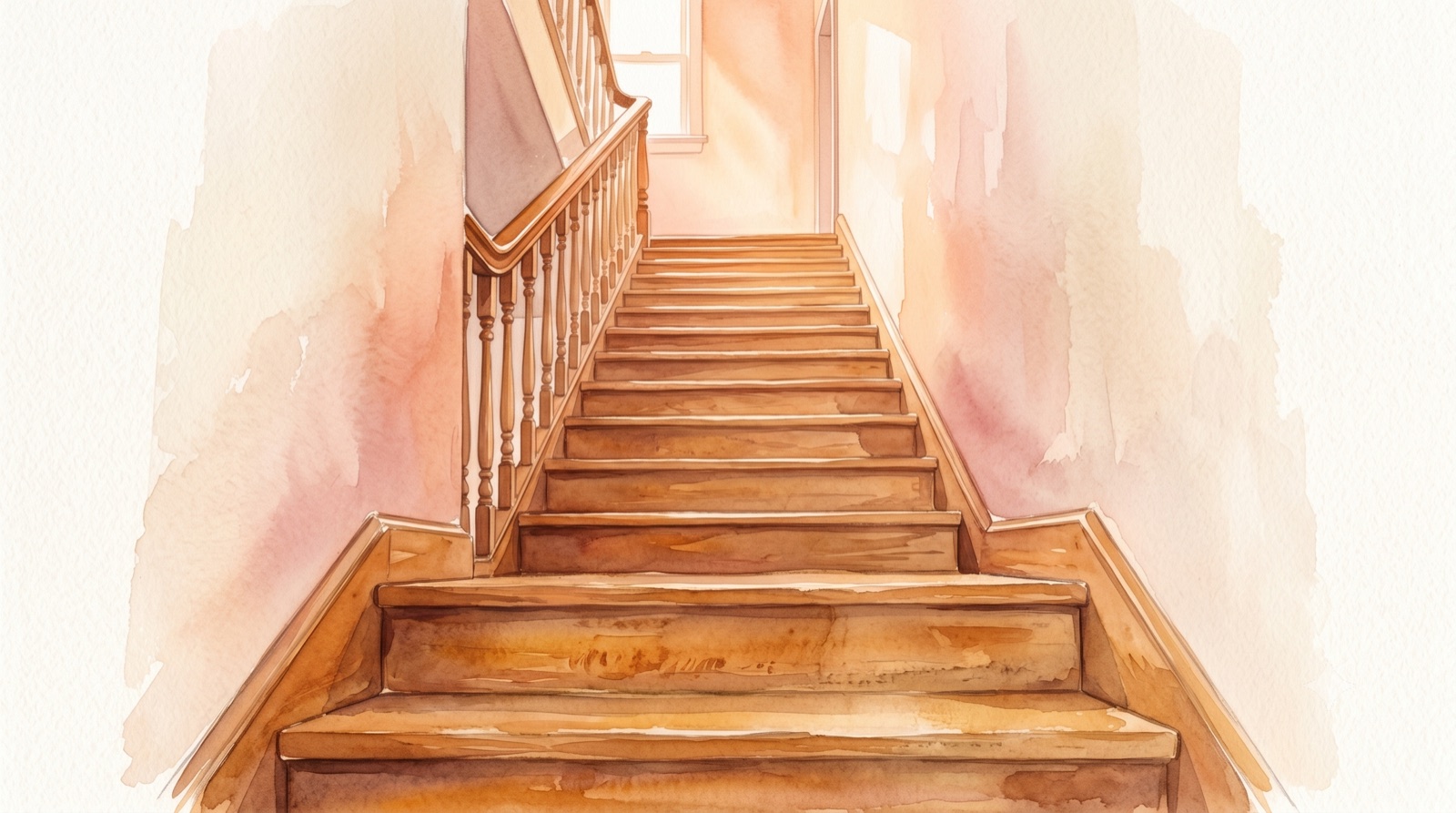
If you identify as a gentle parent and your child's anxiety has been getting harder to manage, not easier, this might be the piece you have been missing.
What Gentle Parenting Gets Right
At its core, gentle parenting is built around one idea: children need to know that their feelings are valid and that their caregivers see them. That a child who is scared, angry, overwhelmed, or sad does not need to be fixed or corrected. They need to be heard.
This is not a soft or optional part of development. It is foundational. A child who grows up knowing that their inner experience matters to the people who care for them develops a secure sense of self that carries into every area of their life. Validation is not a nicety. It is load-bearing.
Gentle parenting built its following because it named something real: that dismissing, minimizing, or punishing children's emotions does not make those emotions go away. It just teaches children to hide them. A generation of parents recognized that truth and committed to doing things differently.
Where It Misses With Anxious Kids
The problem arrives when validation becomes a reason not to do the thing.
Here is what that looks like. A child is scared to go upstairs alone. They tell their parent. The parent, genuinely trying to be responsive and kind, says: "I totally understand. You are really scared. You know what, I will go up there instead."
That response is full of warmth. It is also accommodation. This pattern has a name. It is called the accommodation loop, and it is the mechanism that keeps childhood anxiety in place.
The parent heard the feeling and then removed the situation that caused it, which means the child never had to move through the fear. The feeling was valid, and the solution was to make the feeling go away.
Validation that removes the challenge is not the same as validation that supports the child through it. The first feels kind. The second actually is.
When this pattern repeats, across dozens of situations over months and years, the child learns something the parent never intended to teach: that anxious feelings are signals to stop. That if something feels scary, the right response is to find a way around it. That the feeling itself is the problem, rather than something that can be tolerated and moved through.
The Missing Piece: Validation Plus Structure
Gentle parenting coupled with structure is the combination that actually works for anxious children. The validation stays. The warmth stays. What gets added is a boundary that holds the expectation in place.
In the same scenario, with structure added, it might sound like this:
"I totally understand, you're really scared. You know what, I'll go up there instead."
"I really understand that you're scared. It's hard to be in a room by yourself, even just for a moment. I'm so confident that you can be brave and face this. I'll wait for you right here at the bottom of the stairs. I know you can do this."
The feeling is named. The child is heard. And then the parent does not step in. They hold steady at the bottom of the stairs, present and warm, while the child does the hard thing.
That combination — the emotional attunement of gentle parenting alongside a clear and consistent boundary — is what actually moves the needle on childhood anxiety. Not because it is tougher. Because it is more complete.
Why the Boundary Is an Act of Confidence
It helps to understand what the parent is communicating when they hold the boundary. From the outside, it can look like withholding help. From the inside, it is something else entirely.
When a parent says "I know you can do this" and then does not rescue the child from the discomfort, they are making a statement about what they believe their child is capable of. They are voting, with their behavior, for the child's ability to handle the hard moment. That vote matters enormously to an anxious child whose own brain is telling them they cannot cope.
The child who goes upstairs alone and comes back down did not just retrieve whatever they went for. They collected evidence. They learned something their brain did not know before: that the scary feeling came and they survived it without the rescue. That experience is irreplaceable. No amount of reassurance produces it. Only doing the thing does.
The structure is not a compromise of the gentleness. It is the part of the gentleness that actually builds something lasting.
Putting It Together
Steady Parenting Coach is built for parents who want to stay warm and connected while also helping their child build real anxiety tolerance. The app provides scripts for specific situations, guidance on where accommodation is happening and how to reduce it gradually, and a framework that keeps the relationship strong while the child does the hard work of growing.
The first seven days are free.